As businesses expand their digital infrastructure, having access to reliable IP address resources becomes increasingly important. Internet Service Providers (ISPs), hosting companies, data centers, and cloud service providers all depend on IP addresses to maintain connectivity and support their customers. However, obtaining additional IPv4 address space can be challenging due to the limited availability of unallocated IPv4 resources.
This is where IPv4 leasing becomes a practical option for organizations that need additional address space without making a long-term purchase.
Understanding IPv4 Leasing
IPv4 leasing is an arrangement in which an organization obtains temporary usage rights to IPv4 addresses from an address holder or service provider. Instead of purchasing an entire address block, businesses can lease the resources they require for an agreed period.
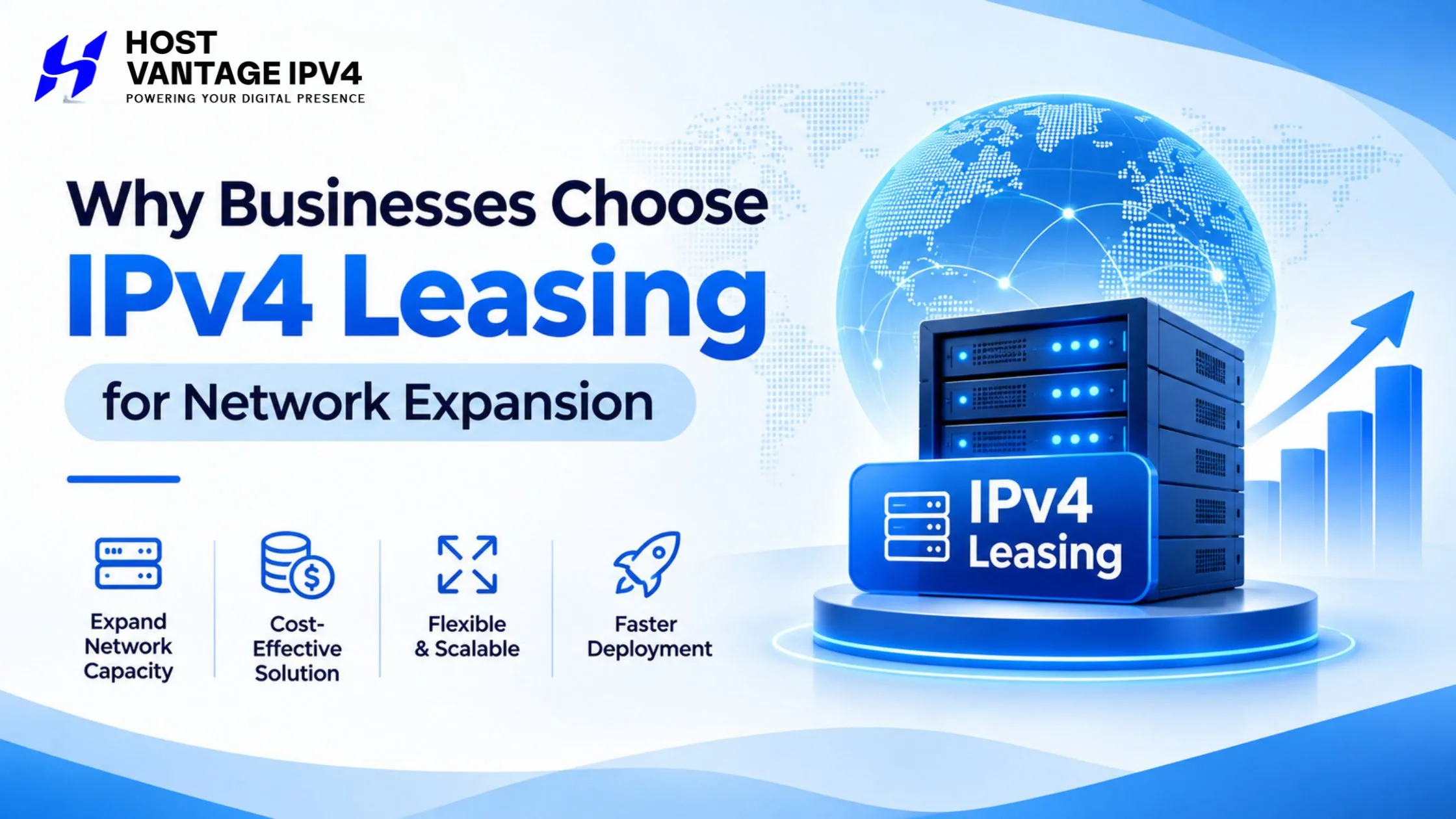
This approach allows organizations to expand their network capacity while managing their infrastructure costs. It can be particularly useful for companies experiencing increasing customer demand, launching new services, or expanding into additional markets.
Why Is IPv4 Address Space Still Important?
IPv4 remains widely used across the internet. Although IPv6 adoption continues to grow, many networks, applications, and existing systems still depend on IPv4 connectivity.
The limited availability of unallocated IPv4 addresses has made obtaining additional address space more challenging. Businesses that require new IP resources therefore need to consider different approaches to meet their networking requirements.
Leasing provides an alternative for organizations that need IPv4 resources without committing to a permanent acquisition.
Key Benefits of Leasing IPv4 Addresses
1. Flexible Network Expansion
Businesses do not always need permanent ownership of additional IP address blocks. Their requirements may change depending on customer growth, infrastructure upgrades, or new service launches.
Leasing allows organizations to obtain address space based on their current requirements and review their needs as their operations evolve.
2. Better Control Over Infrastructure Costs
Purchasing IPv4 address blocks can require a significant upfront investment. Leasing offers an alternative payment arrangement that may help businesses manage their infrastructure budgets.
Organizations can evaluate the required address space, lease duration, and associated costs before making a decision.
3. Support for Hosting and Data Center Operations
Hosting providers and data centers often manage multiple customers, servers, and network environments. Additional IPv4 resources may be required as their services expand.
Leased address space can help support these requirements, provided the resources are appropriately registered, routed, and configured.
4. Faster Access to Additional Resources
When a business needs additional address space, acquiring it through a suitable leasing arrangement may offer a more practical route than purchasing an entire block.
However, availability, verification, documentation, and routing arrangements should always be confirmed before entering into an agreement.
5. Adaptability for Changing Business Needs
Temporary projects, infrastructure migrations, and short-term capacity requirements can make permanent address acquisition less suitable.
Leasing gives businesses an opportunity to evaluate their requirements over a defined period without immediately committing to permanent ownership.
What Should Businesses Check Before Leasing IPv4 Addresses?
Choosing an IPv4 leasing provider requires more than comparing prices. Businesses should evaluate several technical and administrative factors.
Address Ownership and Registration: Confirm that the provider has the authority to lease the address resources and that the registration information can be properly verified.
Routing Compatibility: Check whether the address block can be announced through the intended network and whether the required routing arrangements are supported.
Address Reputation: Review the address history and available reputation information. Previously misused IP addresses can create email delivery and network security concerns.
Lease Terms: Understand the rental duration, renewal conditions, payment structure, termination policies, and any additional fees.
Technical Support: Ensure that the provider can assist with relevant technical and administrative requirements during the leasing period.
Documentation: Review the required agreements and authorization documents before using the address space.
How to Choose the Right IPv4 Lease Provider
A reliable provider should offer transparent information about available address blocks, pricing, leasing conditions, and technical support.
Before selecting a provider, businesses should consider:
- Whether the provider can accommodate the required IP block size.
- Which regional Internet Registry (RIR) manages the address resources.
- Whether routing and authorization requirements are clearly explained.
- Whether the provider offers suitable support during onboarding.
- Whether the leasing terms match the organization's operational needs.
Comparing these factors can help businesses avoid unnecessary complications and choose resources that suit their network requirements.
IPv4 Leasing for Different Business Requirements
Different organizations may have different reasons for requiring additional IPv4 resources.
Internet Service Providers: ISPs may need additional address capacity to support subscriber growth and network expansion.
Web Hosting Companies: Hosting providers may require additional IP addresses for server infrastructure and customer services.
Data Centers: Data center operators may need address resources for new deployments, customer environments, and infrastructure expansion.
Cloud Service Providers: Cloud platforms may require additional IPv4 capacity as their customer base and hosted workloads grow.
Enterprises: Businesses managing complex internal and external network environments may require additional address space for specific operational needs.
Conclusion
IPv4 remains an important part of internet infrastructure, even as organizations continue adopting IPv6. For businesses that need additional address resources without making a permanent purchase, leasing can provide a flexible alternative.
By evaluating address availability, registration, routing compatibility, reputation, and contractual terms, organizations can make more informed decisions about their network expansion requirements.
Businesses exploring suitable IPv4 resources can learn more about IPv4 leasing solutions from Host Vantage and evaluate the available options according to their infrastructure needs.