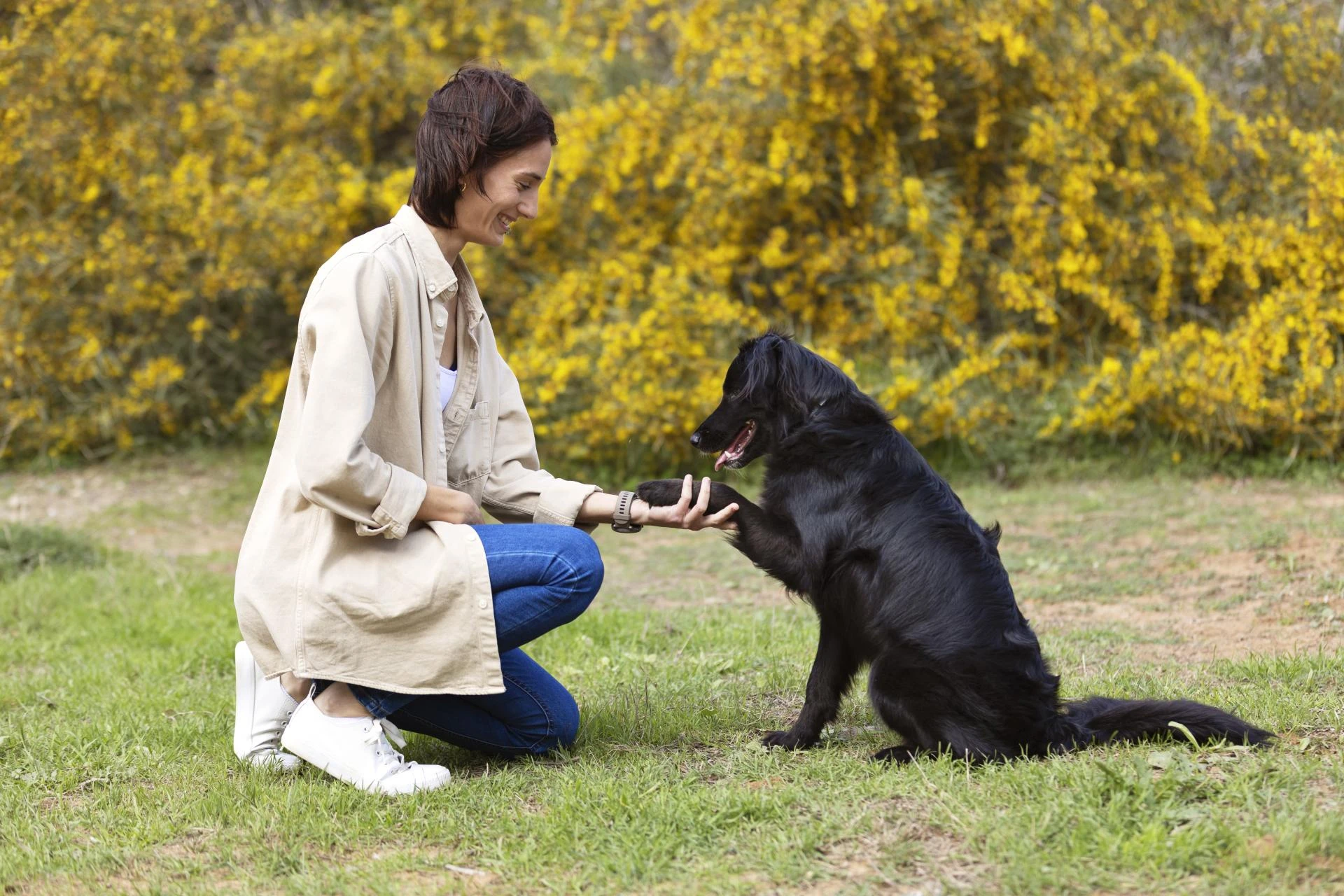
Dog behavior specialists often suggest force-free training because it helps dogs learn without fear or stress. Puppies and adult dogs respond best to praise, treats, and clear guidance, rather than punishment. These methods help dogs develop good habits, confidence, and strong bonds with their owners.
How Puppies Learn Best
Puppies are curious and want to explore, but harsh training can make them nervous or scared. Force-free training uses rewards and gentle guidance to teach new behaviors. Puppies quickly learn that following commands brings positive results, which makes learning fun and easier.
For example, teaching a puppy to sit starts with a hand signal and a soft voice. When the puppy sits, it gets a treat immediately. Short sessions like this help puppies understand the command while staying happy. Puppies can also learn simple tricks like touching a target or walking nicely on a leash, which helps them gain confidence.
Even basic lessons, such as learning to come when called or staying in one place, can be taught in short, fun sessions. These lessons help puppies remember commands better and respond without stress.
Building Trust With Your Dog
Trust is important for good training. Dogs trained with kind methods feel safe and understood, so they listen better. Trust also helps dogs stay calm in new situations, like meeting new people or walking in busy areas. Puppies who trust their owners are more likely to follow guidance without fear.
Trust grows over time. Simple actions, such as gently encouraging the puppy to explore a new room or rewarding calm behavior around strangers, strengthen the bond. Puppies who trust their owners are more willing to try new things and feel safe in different environments.
Keeping Dogs Calm
Dogs can feel nervous in new places or when learning new skills. Force-free training keeps lessons calm and stress-free. Puppies learn that mistakes are okay and are part of learning. This makes them relaxed, focused, and ready to learn more.
For instance, a puppy learning to walk on a leash may start with short walks. Gentle encouragement and rewards teach the puppy that walking calmly gets positive attention, which encourages good behavior. Calm dogs are also easier to manage in crowded areas or during grooming sessions, which makes daily life easier for both dogs and owners.
Enhancing Social Skills
Dogs need to learn how to be around other dogs and people. Force-free training introduces new friends slowly and safely. Dogs learn how to greet politely, play gently, and control their excitement. This makes puppies confident and calm when meeting others.
Structured play sessions are a good way to teach dogs patience and cooperation. For example, waiting for a toy or taking turns during playtime helps puppies understand sharing and self-control. These skills carry over to real-life situations, such as visiting parks, meeting neighbors, or joining group walks.
Training for Every Dog
Every dog is different. Some are shy, some are playful, and some have a lot of energy. Trainers adjust lessons to fit each dog’s personality. Shy dogs get extra encouragement, while energetic dogs get exercises to focus their energy. This approach ensures better learning and long-lasting results.
Custom training may include a mix of short sessions, gentle exposure to new environments, and playful exercises that channel energy. For puppies with lots of curiosity, games that include problem-solving, such as finding hidden treats, help them learn and stay engaged.
Helping Dogs Make Good Choices
Puppies trained with rewards learn to make smart choices on their own. They understand what is expected without being forced. This helps puppies grow into obedient and confident adult dogs who can handle real-life situations calmly.
For instance, a puppy may learn to wait at the door before going outside or resist chasing distractions while on a walk. These lessons teach dogs self-control and make them safer and easier to handle as they grow.
Everyday Training Tips
Force-free training focuses on behaviors that help daily life. Dogs learn to wait before meals, walk politely, and respond to commands. Short daily sessions at home help puppies remember lessons and make training part of everyday routines.
Owners can also play small games that teach patience and focus. For example, asking a puppy to stay while hiding a treat encourages self-control and learning. Over time, these small exercises strengthen habits that benefit both dog and owner.
Avoiding Training Mistakes
Yelling or punishing dogs can make them scared and confused. Force-free training prevents these problems by teaching what to do, not what to avoid. Puppies learn good behavior naturally, and owners see better results.
Common mistakes, like rushing training or expecting instant results, are avoided in force-free methods. Training is gradual and positive, allowing puppies to succeed at their own pace without stress.
Supporting Lifelong Learning
Dogs trained using rewards and guidance continue to enjoy learning as they grow older. They are more likely to listen, follow rules, and adapt to new situations. Owners also find it easier to introduce new skills, like tricks or agility exercises, because dogs understand expectations without fear.
Daily reinforcement, consistency, and short practice sessions ensure that lessons stick for life, making dogs well-behaved companions for years to come.
Wind Up:
Dog behavior specialists recommend force-free training because it builds happy, confident, and well-behaved dogs while strengthening the bond with their owners. Puppies and adult dogs trained this way are calm, social, and responsive. If you are looking for a “canine behavior specialist near me”, choosing professionals who use positive methods gives your dog safe and lasting learning.
Start your dog’s training today. Help your pet grow into a confident, obedient, and happy companion while building trust that lasts a lifetime.