Meta Title: Material Innovation in Singapore’s Fashion Industry
Meta Description: Explore how textile research, next-generation materials and industry collaboration are shaping the future of Singapore’s fashion industry.
Why Material Innovation Matters to the Future of Singapore’s Fashion Industry
The materials used in fashion influence far more than the appearance of a garment. They determine its texture, durability, comfort, performance, production requirements and environmental impact. As the industry responds to changing consumer expectations and new production technologies, material innovation is becoming an important consideration for designers, manufacturers and fashion brands. Within the Singapore fashion industry, advances in textile development also create opportunities to explore new product applications and strengthen the sector's regional relevance.
From recycled fibres and bio-based alternatives to functional textiles and advanced manufacturing methods, material innovation is expanding the possibilities of fashion design. However, introducing a new material is only one part of the process. Its commercial viability, consistency, performance and suitability for manufacturing must also be considered.
Why Materials Are Becoming a Strategic Priority for Fashion
Material selection has traditionally been guided by factors such as appearance, availability, price and suitability for a particular garment. These considerations remain important, but fashion companies are increasingly examining how materials perform throughout a product's lifecycle.
A fabric may look suitable during the design stage but present challenges during production, washing or long-term use. Similarly, an alternative material may offer environmental advantages but require additional testing before it can be used at scale.
This makes material innovation relevant to several areas of the fashion value chain:
- Product performance: Developing textiles that meet requirements for comfort, strength, flexibility and durability.
- Design possibilities: Exploring new textures, finishes, structures and material combinations.
- Resource efficiency: Investigating materials that use recycled or renewable inputs and reduce reliance on virgin resources.
- Production methods: Improving how materials are processed, finished and incorporated into garments.
- Product differentiation: Giving brands opportunities to develop collections with distinctive material characteristics.
For designers and manufacturers, understanding these developments can inform decisions at the earliest stages of product development rather than treating material selection as a final design consideration.
Exploring the Next Generation of Fashion Materials
Material research is expanding beyond conventional natural and synthetic textiles. Researchers, material developers and manufacturers are exploring alternatives that can offer different functional and environmental characteristics.
Some of these developments are already being investigated for fashion and footwear applications.
Bio-Based and Alternative Materials
Bio-based materials are developed using biological resources or biological processes. Examples include mycelium-based materials, which use the root-like structures of fungi, and materials developed from plant-based or other renewable inputs.
These alternatives are attracting interest as potential options for applications traditionally associated with animal-derived or petroleum-based materials. However, their suitability depends on factors such as durability, processing requirements, availability and end-of-life options.
Recycled and Regenerated Fibres
Recycled textiles provide opportunities to recover value from existing materials rather than relying entirely on new resources. Depending on the process, discarded textiles can be mechanically or chemically processed to recover fibres or produce new material inputs.
Research into fibre separation is particularly relevant for blended fabrics, which can be difficult to recycle because they contain different fibre types. Improvements in this area could help expand the range of textile waste that can be recovered.
Functional and Smart Textiles
Functional textiles are designed to provide properties beyond basic appearance and comfort. These may include moisture management, temperature regulation, stretch, protective performance or other specialised functions.
Smart textiles take this further by incorporating responsive or interactive features. Their potential applications extend beyond conventional apparel into areas such as sportswear, healthcare and performance clothing.
The Role of Material Research in Fashion Development
New material concepts need to be supported by research and testing before they can become reliable commercial products. This involves understanding how a material behaves under different conditions and whether it can meet the requirements of its intended application.
Research institutions and material developers play an important role in this process. Their work can involve fibre chemistry, material engineering, textile processing and methods for improving the recovery of resources.
Singapore has an established research effort in this area. The RGE-NTU Sustainable Textile Research Centre at Nanyang Technological University focuses on textile recycling technologies, including fibre recovery, separation of mixed materials and more sustainable textile processing.
This work demonstrates how collaboration between research institutions and industry can address technical challenges that affect the wider textile value chain.
For fashion brands, such developments are relevant because material innovation needs to move beyond laboratory research. It must eventually translate into materials that designers can source, manufacturers can process and customers can use.
From Material Innovation to Commercial Application
A promising material does not automatically become a viable fashion product. Before adoption, companies need to consider whether it can meet practical requirements across design, production and distribution.
| Consideration | What fashion companies need to assess | Why it matters |
|---|---|---|
| Performance | Strength, flexibility, comfort and durability | Determines suitability for the intended product |
| Cost | Material pricing, processing and production expenses | Influences product pricing and commercial viability |
| Scalability | Availability of materials and production capacity | Determines whether larger orders can be fulfilled |
| Consistency | Quality across batches and suppliers | Supports reliable manufacturing standards |
| Processing | Compatibility with existing equipment and techniques | Affects production efficiency and implementation |
| End-of-life | Repair, reuse, recycling or disposal options | Helps assess the material's wider lifecycle impact |
These considerations are especially important for emerging materials. A material may perform well in a prototype but require further development before it can be produced consistently or supplied in commercial quantities.
Collaboration between material innovators, designers and manufacturers can help address these challenges. Early testing and feedback can reveal technical limitations before a brand commits to a larger production run.
How Material Innovation Can Strengthen Singapore’s Fashion Industry
Singapore's fashion sector has opportunities to participate in material innovation through research partnerships, industry collaboration and the development of new fashion-related technologies.
The country's connections with regional manufacturing networks and international research communities can help bring together different areas of expertise. Material developers may contribute scientific knowledge, while fashion companies can identify practical applications and commercial requirements.
For local labels, access to new materials can also influence product development and brand differentiation. Designers who understand material properties may be able to explore new construction methods, develop specialised collections or identify alternatives that better align with their product requirements.
However, adoption needs to be commercially realistic. Smaller labels may face limitations relating to minimum order quantities, sourcing costs and access to specialist manufacturing facilities. Industry platforms that connect them with material suppliers and technical experts can help reduce these information gaps.
The Singapore Fashion Council's Role in Advancing Material Innovation
The Singapore Fashion Council (SFC) places innovation and technology among its strategic focus areas, recognising the importance of new solutions across the textile and fashion value chain.
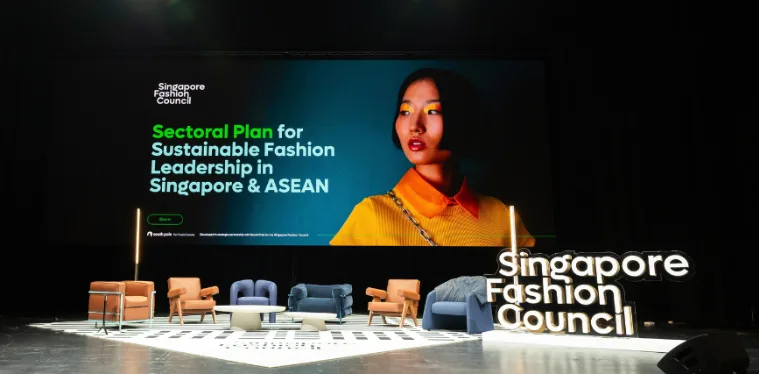
One of its initiatives is Fashion Futures, developed in partnership with ASN Media. The series highlights developments shaping the fashion industry through documentary-style content featuring industry participants and organisations.
Its third season explores next-generation materials alongside circularity, AI and automation, supply chains and better design. The materials segment examines how research, material performance and supply reliability influence the adoption of new textile technologies.
SFC also introduced the Textile Circularity Consortium (TCC) in 2025. The consortium brings together stakeholders across the textile value chain to explore reuse, recycling and next-generation materials. Its work highlights the importance of collaboration in developing solutions that can be tested and applied across the industry.
These initiatives connect material innovation with wider industry priorities. They also demonstrate why progress depends on more than individual technological breakthroughs: research, commercial partnerships and industry participation are necessary to move new materials towards practical adoption.
What Fashion Brands Should Consider When Adopting New Materials
Fashion companies do not need to adopt every emerging material to participate in innovation. A more practical approach is to identify where a material could improve a product or address a specific design and production requirement.
Brands can begin by reviewing the materials used in their existing collections and identifying areas where alternatives may be suitable. They can then engage with suppliers, request samples and assess performance before moving towards production.
A considered adoption process should include:
- Define the product requirement: Identify the performance, appearance and functional qualities the material needs to provide.
- Evaluate material options: Compare available alternatives based on technical specifications, sourcing and intended use.
- Test before production: Assess durability, comfort, maintenance requirements and compatibility with garment construction.
- Review commercial feasibility: Consider pricing, minimum order quantities, supplier reliability and production capacity.
- Communicate accurately: Provide clear information about material composition, certifications and verified environmental attributes.
This process can help brands make informed decisions while avoiding the assumption that every new or alternative material is automatically more suitable or sustainable.
Frequently Asked Questions
1. What is material innovation in the fashion industry?
Material innovation involves developing or improving fibres, fabrics, finishes and other materials used in fashion products. It can focus on performance, functionality, production efficiency, resource use or new design possibilities.
2. What are examples of innovative materials used in fashion?
Examples include recycled fibres, regenerated textiles, mycelium-based materials, plant-derived alternatives, smart textiles and advanced performance fabrics. Their suitability varies depending on the intended application and technical requirements.
3. Why is material innovation important to Singapore's fashion industry?
It creates opportunities for product differentiation, research collaboration and the development of new textile technologies. It can also help Singapore-based companies engage with emerging material solutions and regional industry networks.
4. What challenges do fashion brands face when adopting new materials?
Common challenges include high development costs, limited supply, minimum order quantities, inconsistent material quality, production compatibility and the need for technical testing. Brands must assess these factors before adopting new materials at scale.
5. How does the Singapore Fashion Council promote material innovation?
SFC highlights textile and material developments through initiatives such as Fashion Futures and facilitates industry collaboration through the Textile Circularity Consortium, which focuses on reuse, recycling and next-generation materials.
Conclusion
Material innovation is influencing how fashion products are designed, developed and manufactured. Advances in recycled fibres, bio-based alternatives and functional textiles are creating new possibilities, but their long-term relevance depends on performance, commercial feasibility and the ability to scale production responsibly.
For Singapore's fashion industry, stronger connections between researchers, material developers, manufacturers and brands will be important in translating these developments into practical applications. Through initiatives such as Fashion Futures and the Textile Circularity Consortium, the Singapore Fashion Council contributes to conversations and collaborations that connect innovation with industry needs.
Explore the Singapore Fashion Council to learn more about its work across fashion innovation, technology and textile circularity.
#SingaporeFashionIndustry #MaterialInnovation #TextileInnovation #FashionTechnology #NextGenerationMaterials #SustainableTextiles