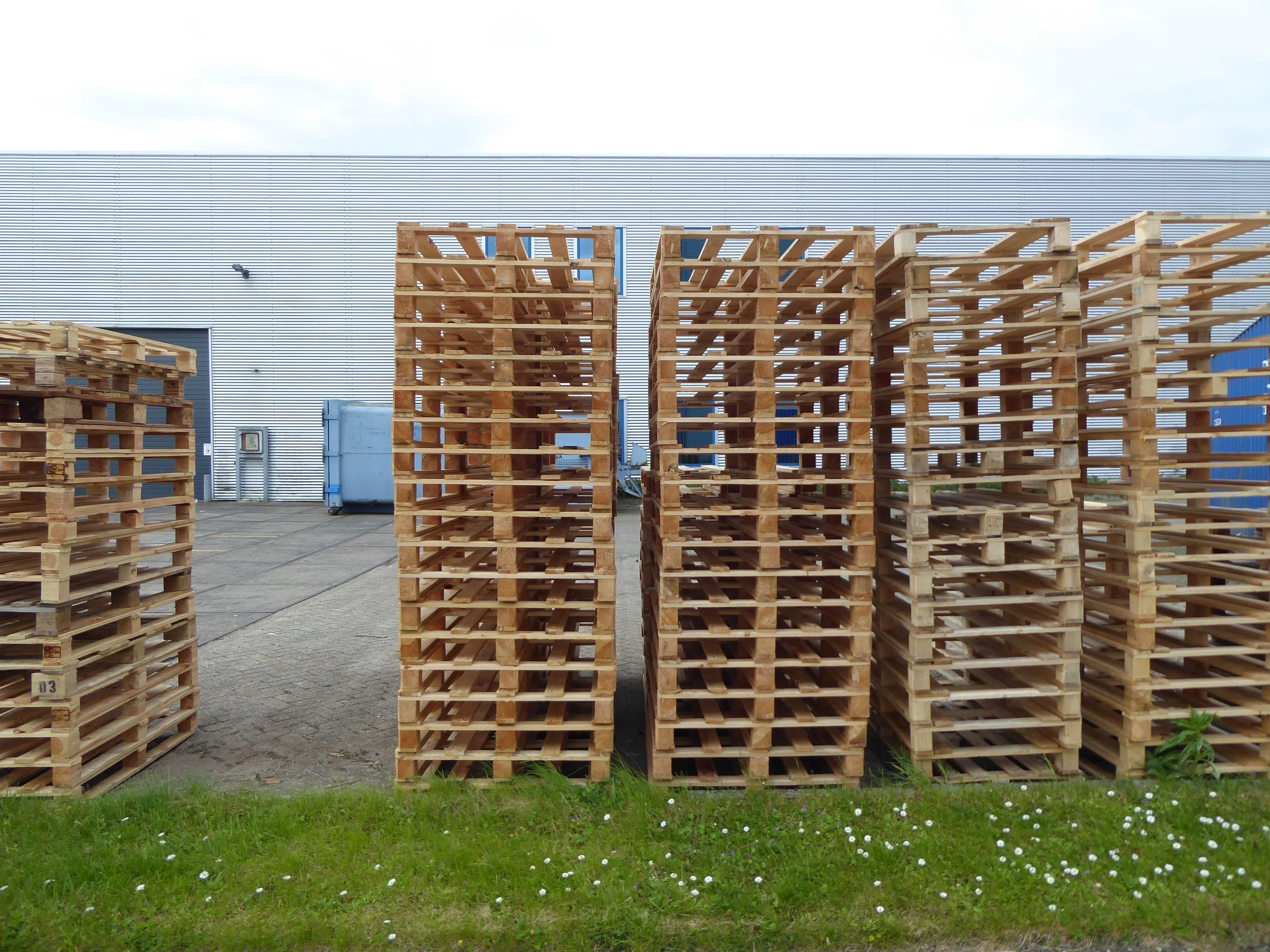
Australia spans thousands of kilometres from east to west and north to south. Businesses operating across this vast geography need reliable transportation solutions and material-handling equipment to keep supply chains moving. Distribution centres, manufacturing plants, and retail outlets use pallet pooling to optimise resources and reduce operating costs. Joining a pooling pallets network gives access to reusable units without keeping large on-site inventories. This solution is becoming increasingly relevant for businesses operating in a competitive market.
How does it work?
Pallet pooling is a logistics strategy that lets companies rent pallets from a shared pool. Managed by a third-party provider, these pools allow users to access handling platforms without ownership responsibilities.
Businesses use pallets for transport and storage, then return them to the provider’s fleet. The provider typically handles collection, inspection, maintenance, and redistribution.
A pooling service helps Australian businesses track and coordinate pallet movements across multiple states without added overhead.
Reduce equipment and operating costs
When sourcing new pallets, the initial cost of acquiring enough quality equipment to meet logistical needs can be expensive. Some industries face fluctuating demand that requires scaling equipment inventory up and down.
Accessing pallets as needed can help businesses optimise spending. Pooling services often charge based on usage or through ongoing contracts. These charges can improve your organisation’s cash flow by reducing the need for large, capital purchases.
The pooling provider typically handles maintenance or replacement of damaged pallets. Fewer equipment-related responsibilities can let your team focus on other areas of your operations.
When calculating potential savings from a pooling partnership, consider all associated costs. This includes rental fees, per-move charges, and contract terms.
Improve pallet availability
Timely access to quality pallets is critical for many aspects of supply chain management. Run out of pallets, and you could experience delays in loading trucks, getting products off the dock and meeting delivery promises.
Pooling lets providers move pallets from areas with low demand to areas where they are needed. They track pallet flows across the network and can coordinate pickups and deliveries with your business needs.
This offers several benefits for Australian businesses that struggle to manage long transportation distances and regional distribution centres. Reliable pallet availability can improve dispatch efficiency and minimise the need for oversized backup inventories.
Maximise warehouse efficiency
Efficient warehouse operations are built on well-organised storage areas, smooth loading processes, and equipment that integrates with your existing systems. Pallet pooling typically utilises standard units that fit predetermined specifications.
Standardisation makes it easier for your warehouse staff to stack pallets, integrate them into lifting operations, and interface with automation systems. Scheduled maintenance also ensures pooled pallets are inspected regularly, helping to eliminate damaged units from your supply chain.
Streamlining how your warehouse teams interact with pallets can free up time and resources for other areas of your operation. Every minute your workers save throughout the day can help improve overall warehouse productivity.
Support circular logistics
As Australians look for ways to do more with less, many businesses are focusing on sustainable strategies to improve resource efficiency. Pooling lets businesses engage with circular logistics by sharing equipment between multiple users.
Instead of pallets sitting idle at a single location, they move through your supply chain and others'. Many providers also keep pallets in use as long as possible through professional repair and maintenance. After they've served their purpose, used pallets can be reclaimed or recycled.
Pooling carriers can also improve transport efficiency by collecting and redistributing units using optimised routes. Keep in mind that the distance pallets travel can affect environmental benefits.
Gain better visibility and accountability
Visibility and accountability are crucial for all aspects of supply chain management. Pooling services can help you track pallets throughout the supply chain and anticipate upcoming equipment needs.
Most providers have a tracking system in place to monitor pallet movements. This may include digital platforms, pallet identification numbers or barcode technology.
Tracking pallets as they enter and leave your facility can help you maintain better transaction records. You can hold your provider more accountable by identifying incomplete transactions, late deliveries, or missing units.
Integrating a pooling system with your current logistics management practices can also make reconciling transactions easier. The visibility these services provide can support future planning and continuous improvement.
Accommodate seasonal demand
Many Australian industries experience seasonal demand spikes. From agriculture to manufacturing and retail, business owners often need to scale operations during the busiest times of the year.
Pooling gives your business the flexibility to increase or decrease equipment at short notice. Agreements typically let businesses scale inventory up when they need more pallets and down during slower periods.
With a pooling provider in place, your business won’t have to keep as many spare units on hand during downtimes. By avoiding large swings in equipment needs, your business can adapt to changing demands without investing in extra equipment.
Businesses across Australia are adopting pallet pooling to keep their supply chains moving. Whether your company uses plastic or wooden pallets, a pooling system can provide reliable access to quality-checked, well-maintained reusable units. It provides companies with entry to a collaborative network, enabling more efficient supply chain management without the burden of owning equipment.