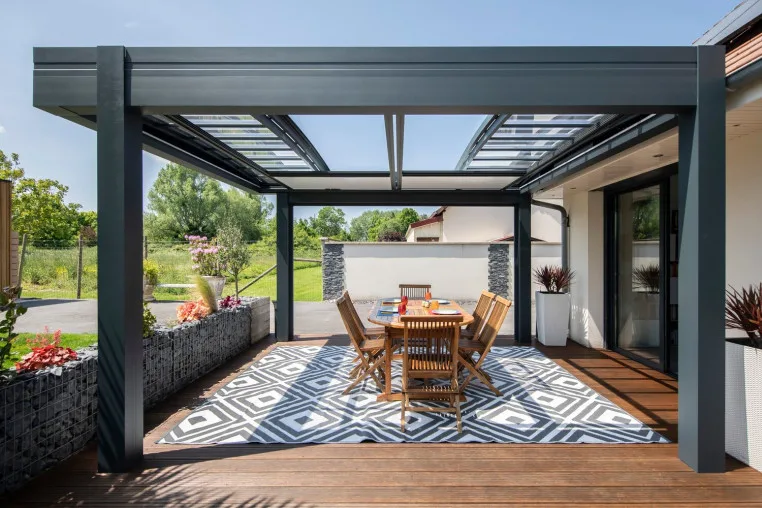
Most people figure a patio is just a slab of something flat in the backyard. How hard can it be, right? Then the first heavy rain hits and water pools against the back door, or the pavers start sinking in one corner. That’s usually when folks start calling patio contractors Huntsville AL has plenty of, and by then the fix costs double.
A patio looks simple. It isn’t. There’s grading, drainage, base prep, material choices, and a pile of little decisions that decide whether the thing lasts five years or twenty-five. A good contractor handles all that before a single stone goes down. That’s what you’re really paying for, not just the pretty top layer.
What Does a Patio Contractor Actually Do?
The short answer is a lot more than laying stone. They walk your property, look at the slope, check where water goes when it rains, and figure out what the soil is doing underneath. Here in north Alabama we’ve got heavy clay in plenty of yards, and clay moves. It swells when wet and shrinks when dry. If nobody plans for that, your patio will crack or shift, simple as that.
After the design part, they handle excavation, base work, compaction, the surface install, and cleanup. Some also deal with edging, steps, lighting, and drainage fixes. The best ones talk you through the plan first, in plain words, and don’t disappear for three weeks mid-job. Ask how they communicate. It matters.
Which Materials Hold Up Best in Alabama?
Our weather is no joke. Hot, sticky summers, plenty of rain, and the odd freeze that sneaks in during winter. Whatever you pick needs to handle all of it.
Concrete is the budget-friendly pick, and stamped or stained versions can look surprisingly nice. It can crack though, usually along control joints or where the base wasn’t done right. Pavers cost more but they’re flexible, so if one gets damaged you pull it and swap it. Natural stone, like flagstone or bluestone, has a gorgeous look and lasts forever, but it’s pricey and takes skill to install. Some people go with brick for a classic feel. Whatever you choose, ask about slip resistance and how hot the surface gets in July, because bare feet and dark stone don’t mix.
How Much Should a Patio Cost?
Everybody wants a number. Fair enough, but honest answers depend on size, material, site conditions, and how fancy you want to get. A basic poured concrete slab sits at the lower end. Pavers land in the middle. Natural stone and custom designs with walls, fire features, and built-in seating climb quickly.
Here’s a tip. Don’t just compare the bottom line on quotes. Compare what’s inside them. One contractor might include six inches of compacted base and proper drainage while another quietly skips it to hit a lower price. You’ll never see the difference on day one. You’ll feel it in year three. Get at least a couple of written estimates, and ask what’s included in plain terms.
Permits, Rules, and Boring Stuff You Can’t Skip
Not every patio needs a permit, but some do, especially if it’s large, attached to the house, or includes things like a roof, a gas line, or a retaining wall. Neighborhood HOAs can have their own rules about materials, colors, and placement too. Nobody likes this part. Still, skipping it can mean fines, or worse, ripping out finished work.
A solid contractor knows the local requirements and will tell you what applies to your project. They should also call to have underground utilities marked before digging. That isn’t optional, and it’s a good sign when someone brings it up without being asked. If a contractor says “don’t worry about permits” with a shrug, be a little suspicious.

How Long Does a Patio Project Take?
Smaller projects can wrap up in a few days. A mid-size paver patio might take a week or two, depending on weather and complexity. Bigger builds with walls, lighting, and outdoor kitchens stretch longer. Rain delays are normal around here, and honestly you should want your crew to wait if conditions are bad, because pouring or setting on soggy ground causes trouble later.
Timing also depends on the contractor’s schedule. Good ones are often booked out a few weeks, sometimes more in spring and early summer. If you’re hoping for a finished patio by a certain holiday or graduation party, start the conversation early. Waiting until the week before is a recipe for stress.
How to Spot a Good Contractor Before You Sign
Start with the basics. Are they licensed and insured? Can they show you photos of past work, ideally projects that are a few years old so you can see how they’ve aged? Do they have local references you can actually call? Reviews help, but a real conversation with a past customer tells you more.
Pay attention to how they talk to you. Do they listen, or just push a package? Do they explain why they recommend something, or get vague when you ask questions? A written contract with a clear scope, timeline, payment schedule, and warranty is a must. Be careful with anyone who wants a huge payment upfront. Reasonable deposits are normal, but you shouldn’t be funding their whole job before they’ve moved a shovel.

Final Thoughts
Hiring the right patio contractors in Huntsville AL isn’t about finding the cheapest bid or the flashiest portfolio. It’s about finding someone who prepares the ground properly, uses materials suited to our climate, and tells you the truth even when it isn’t what you hoped to hear. Do your homework, ask lots of questions, and trust your gut if something feels off.
If you’re thinking about a new patio or want to upgrade the outdoor space you already have, Legacy Outdoor Services can walk you through the options and help you build something that holds up for the long haul.
FAQs
1. How much do patio contractors charge in Huntsville, AL?
Costs vary by size, material, and site prep. Concrete is usually the lowest, pavers sit in the middle, and natural stone costs the most. Get written quotes to compare.
2. What is the best patio material for Alabama weather?
Pavers and properly installed concrete both handle heat, rain, and occasional freezes well. Natural stone also holds up but costs more.
3. Do I need a permit to build a patio?
Sometimes. Large patios, attached structures, retaining walls, or gas lines often require one. Check local rules and any HOA guidelines first.
4. How long does it take to install a patio?
Small patios may take a few days, while larger projects can take a couple of weeks or more, depending on weather and design.
5. How do I choose a reliable patio contractor?
Check licensing, insurance, past work, and local references. Get a written contract with scope, timeline, and warranty details.